
Why Condition 3 Carry is the Civilian Standard for Responsible Gun Ownership
Discover why Condition 3 carry sets the gold standard for civilian firearm responsibility. Learn how discipline, safety, and family-first values redefine readiness.
Introduction: Redefining Readiness for Civilians
Across the United States, conversations about firearms often focus on tactics, speed, or bravado. But for families and responsible gun owners, the real question isn’t how fast you can draw — it’s how safe you can be, every single day.
That’s where Condition 3 carry comes in. Unlike Condition 1 (chambered, ready to fire), Condition 3 — a loaded magazine with an empty chamber — prioritizes discipline over ego. It reduces the risk of negligent discharges while ensuring readiness when it truly matters.
This article explains why Condition 3 is the civilian standard for responsible gun ownership, and how adopting this approach can protect families, preserve rights, and strengthen communities.
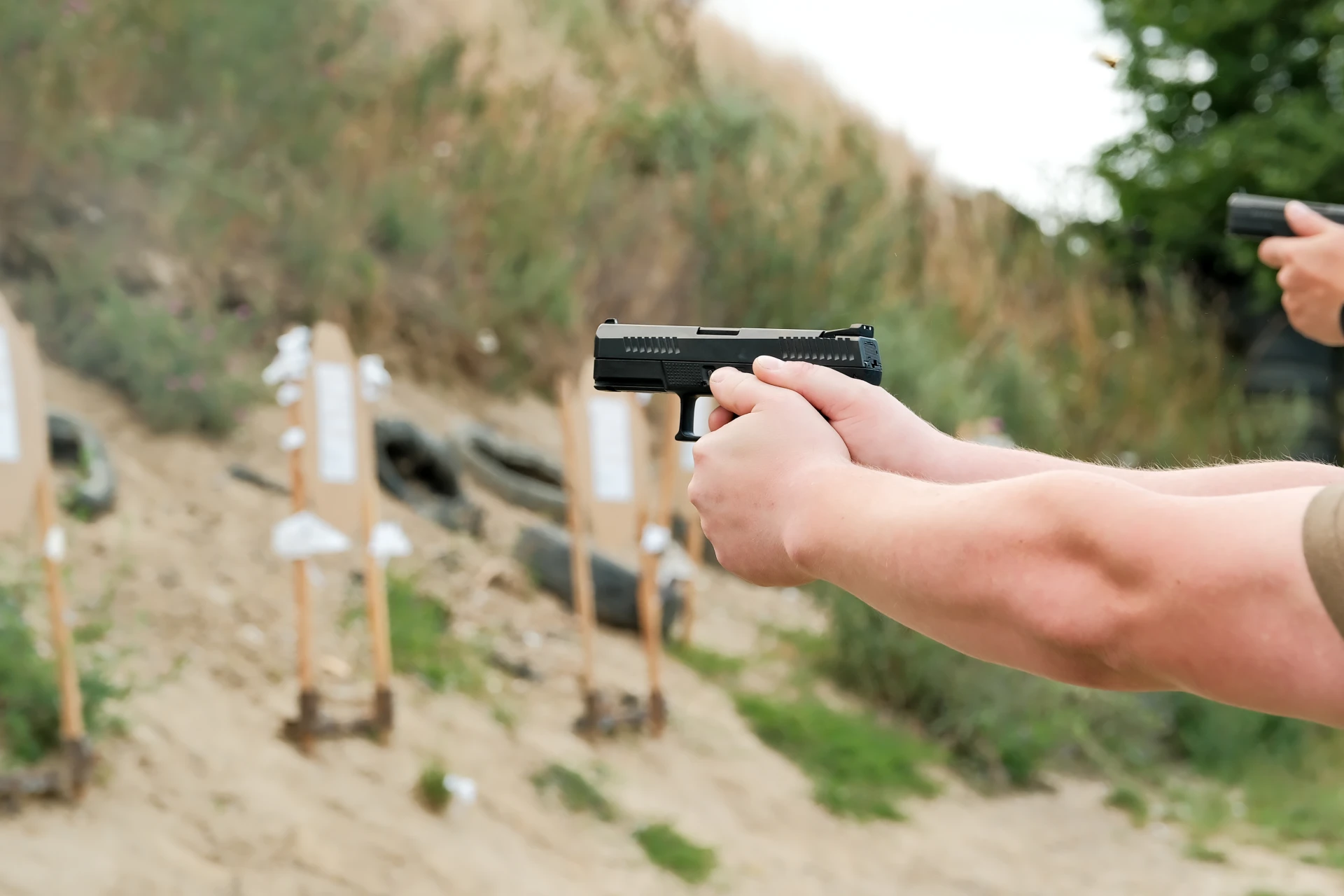
What is Condition 3 Carry?
In firearm terminology, “conditions” describe the status of a weapon.
-
Condition 0: Loaded, chambered, safety off — ready to fire immediately.
-
Condition 1: Chamber loaded, safety on (“cocked and locked”).
-
Condition 2: Round chambered, hammer down, safety off.
-
Condition 3: Magazine loaded, chamber empty, hammer down.
-
Condition 4: Completely unloaded, no magazine inserted.
Condition 3 means the firearm is not instantly lethal, but can be made ready with a practiced draw-rack-present motion. For civilians, this balance of safety and readiness makes it the most responsible carry method.
Why Condition 3 Matters for Civilian Gun Owners
1. Accident Prevention
Statistics show that preventable firearm accidents outnumber defensive uses by 14 to 1. Many of these accidents involve chambered rounds. By carrying in Condition 3, owners dramatically reduce the risk of negligent discharges at home, in vehicles, or during daily handling.
2. Child Safety First
Families with children face the highest risks. A chambered round left unattended — even for seconds — can turn curiosity into tragedy. Condition 3 provides a critical layer of protection, especially when combined with safes, locks, and education.
3. Civilian Reality vs. Combat Scenarios
Law enforcement and military often train for immediate engagement. Civilians, however, should prioritize avoidance, de-escalation, and family protection. Condition 3 reinforces a mindset of discipline, not aggression.
Discipline Above Ego: The Core of Condition 3
Carrying chambered (Condition 1) is often promoted in tactical circles as a mark of readiness. But for civilians, the equation changes:
-
Condition 1 = Ego: The fastest possible draw, but highest daily risk.
-
Condition 3 = Discipline: A deliberate choice that acknowledges risk and responsibility.
Condition 3 forces owners to master mechanics under discipline — ensuring their firearm is a tool of last resort, not a crutch of false confidence.
The Practical Mechanics of Condition 3
Some critics argue that Condition 3 adds “too much time” in emergencies. In reality, training eliminates this concern.
-
Draw-Rack-Present Drill: Civilians can achieve a ready position in under 1.5 seconds with practice.
-
Stress Conditioning: Repetition builds muscle memory so the chambering motion is second nature.
-
Scenario-Based Training: Practicing in simulated stress environments proves that Condition 3 is not just safe, but effective.
This balance ensures that civilians can respond when they must — but only after exhausting every other option.
Condition 3 and Home Defense
For families, Condition 3 offers peace of mind:
-
Firearms can be staged for defense without being immediately lethal.
-
Parents can teach children the difference between staged safety and unsafe handling.
-
Accidental discharges during routine storage or handling are nearly eliminated.
Combined with home gun safety measures (safes, locks, emergency drills), Condition 3 creates a layered defense strategy that prioritizes life over ego.
The Ethical and Social Responsibility of Condition 3
Owning a firearm is not only a right — it is a responsibility that impacts communities. Civilian firearm accidents make national headlines, often fueling anti-gun sentiment. Every accident undermines the rights of responsible owners.
By adopting Condition 3, civilians:
-
Reduce preventable accidents.
-
Strengthen public trust in firearm owners.
-
Demonstrate that civilian gun culture is rooted in safety, not posturing.
This approach safeguards both lives and liberties.
Condition 3 in the Larger Civilian Safety Movement
Condition 3 isn’t just a carry method. It is a philosophy. At Condition 3, our creed is simple:
-
Train your mind, body, and skill.
-
Prepare your home, family, and environment.
-
Protect not only yourself, but your community and reputation as a gun owner.
This mindset moves the conversation away from extremes — no longer tactical elitism on one side or fear-based restriction on the other. Instead, it offers a civilian-first, child-first middle ground that saves lives and preserves freedoms.
How to Transition to Condition 3 Carry
-
Commit to Training
Enroll in a gun safety program that emphasizes Condition 3 mechanics. Learn the draw-rack-present motion until it is automatic. -
Practice Situational Awareness
Remember: readiness is more about avoiding conflict than winning a fight. Train your mind as much as your hands. -
Educate Your Family
Teach children respect for firearms. Reinforce the rules: Stop, Don’t Touch, Leave, Tell. -
Adopt Home Safety Habits
Always secure firearms. Make Condition 3 part of your daily carry and staging routine. -
Lead by Example
Show your peers, neighbors, and community that responsibility comes first.
Conclusion: Why Condition 3 is the Standard
Condition 3 carry represents more than a technical choice. It is a statement: that civilian gun ownership is about discipline, responsibility, and family protection — not ego, bravado, or shortcuts.
By adopting Condition 3, gun owners embrace a higher standard that reduces accidents, protects children, and preserves freedoms for generations.
Condition 3 is not just our name. It is our standard.
Related Articles
A better world, Starts with Us.
Get In Touch Today.
If you want more information about Condition 3, our mission, our services, or how you or your organization can get involved, please contact us below.